
Frequently asked questions.
Clear answers regarding ISPM 15 regulations, WPM stamping guidelines, facility audits, and heat chamber operations.
Does my company need to be inspected for WPM?
Yes, if you produce shipping pallets or containers using coniferous or hardwood lumber intended for international shipping.
How often are facilities inspected?
All facilities must be inspected twelve (12) times per year, or approximately once per month.
If I purchase heat-treated lumber, do I still need to be inspected?
Yes. If you buy heat-treated lumber and cut or use it in any wood packaging product, your facility must be inspected, and your finished product must bear the proper WPM stamp.
You have two options:
- Purchase certified heat-treated lumber: Cut it to manufacture your product, and stamp the finished product with your own assigned WPM stamp.
- Purchase untreated lumber: Cut it to manufacture your product, have the finished product heat-treated or fumigated by a certified provider, and have that provider apply their treatment stamp.
How do I prepare for an inspection? — Pallet and Crate Manufacturers
Designate a Facility Representative: Assign one person at your facility to act as the primary contact for inspections. This individual must meet with the inspector during each visit and be knowledgeable about program regulations.
Separate Lumber Storage: Maintain a designated area in your yard to store treated lumber separately from untreated lumber.
Maintain Detailed Records & Quality Control Procedures: Keep an organized record-keeping system that includes:
- Records of the volume of certified treated lumber purchased.
- Records of the volume of treated lumber used to manufacture pallets, crating, boxes, and dunnage.
Provide Product Samples: Have sample products with properly applied stamps available for review, if applicable.
How do I prepare for an inspection? — Lumber Production Facilities
Designate a Facility Representative: Assign one person at your facility to act as the primary contact for inspections. This individual must meet with the inspector during each visit and be knowledgeable about program regulations.
Separate Lumber Storage: Maintain a designated area in your yard to store treated lumber separately from untreated lumber.
Maintain Detailed Records & Quality Control Procedures: Keep an organized record-keeping system that includes:
- Heat Treatment Loads: The quantity of raw lumber treated, core temperature reached, and duration the core temperature was maintained for each load.
- Fumigated Loads: The quantity of raw lumber treated, fumigation method used, ambient temperature, chemical volume applied, and treatment duration for each load.
How do I prepare for an inspection? — Fumigators
Designate a Facility Representative: Assign one person at your facility to act as the primary contact for inspections. This individual must meet with the inspector during each visit and be knowledgeable about program regulations.
Separate Product Storage: Maintain a designated area in your yard to store treated products separately from untreated products. (Note: This is not required if all fumigation is conducted off-site).
Maintain Detailed Records & Quality Control Procedures: Keep an organized record-keeping system for each fumigated load that includes:
- Name of the manufacturing company.
- Quantity of product treated.
- Fumigation method used.
- Volume of chemical applied.
- Treatment duration.
What does the inspector look for?
During an inspection, the inspector will verify that your facility meets the following requirements:
- An appointed facility representative is present and overseeing the required records.
- WPM stamps are used and stored securely and properly.
- Treated lumber is stored separately from untreated lumber in the yard.
- The volume of treated wood purchased equals or exceeds the volume of treated wood used for products bearing the WPM stamp.
- Products are being stamped correctly (where applicable).
What happens if I fail an inspection?
If your facility fails an inspection, the following actions will occur:
- Non-Compliance Report: You and the ALSC will receive a written report detailing the non-compliant items found and the corrective actions required to bring your facility into compliance.
- Grace Period: If PRL determines that your company is acting in good faith, you will be given a reasonable timeframe to resolve the issues.
- Re-Inspection: PRL will schedule and conduct a follow-up inspection (additional inspection fees apply).
- Revocation Risk: PRL reserves the right to revoke a facility's participation in the program at any time.
What is the proper way to stamp my product? — Lumber Production Facilities
Each individual piece of lumber must be stamped at least once to qualify under the HT Program.
Acceptable Stamps
Guidance on the proper ISPM 15 stamping requirements for wood packaging material (WPM) products.
Placement: WPM products, such as pallets, must be stamped twice on opposite ends.
Acceptable Standards: A valid stamp must be clearly readable with all borders present, even if the ink application is slightly light.
Unacceptable Examples:
- Rushed stamps with missing borders
- Double impressions from smacking the stamp too hard
- Blurred or illegible images caused by over-inking the pad
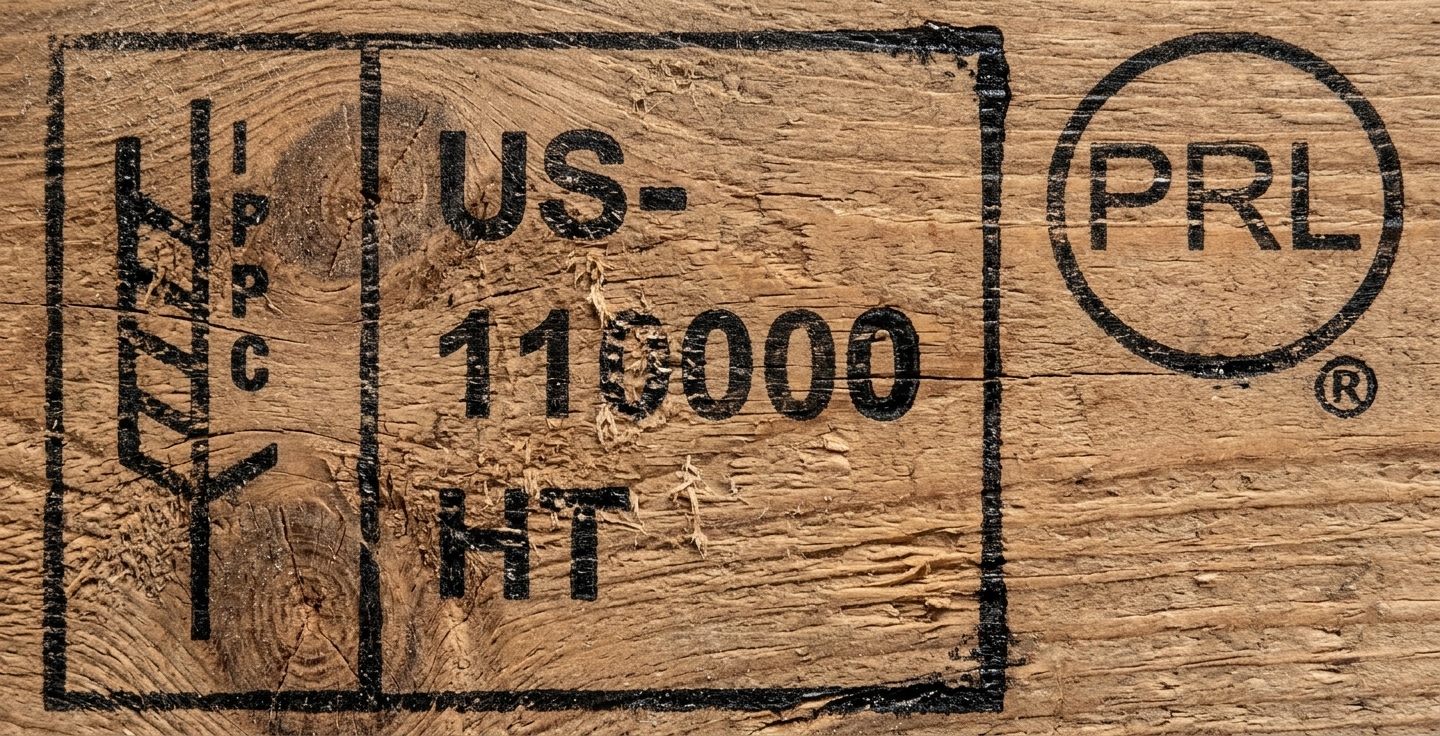 Acceptable Stamp
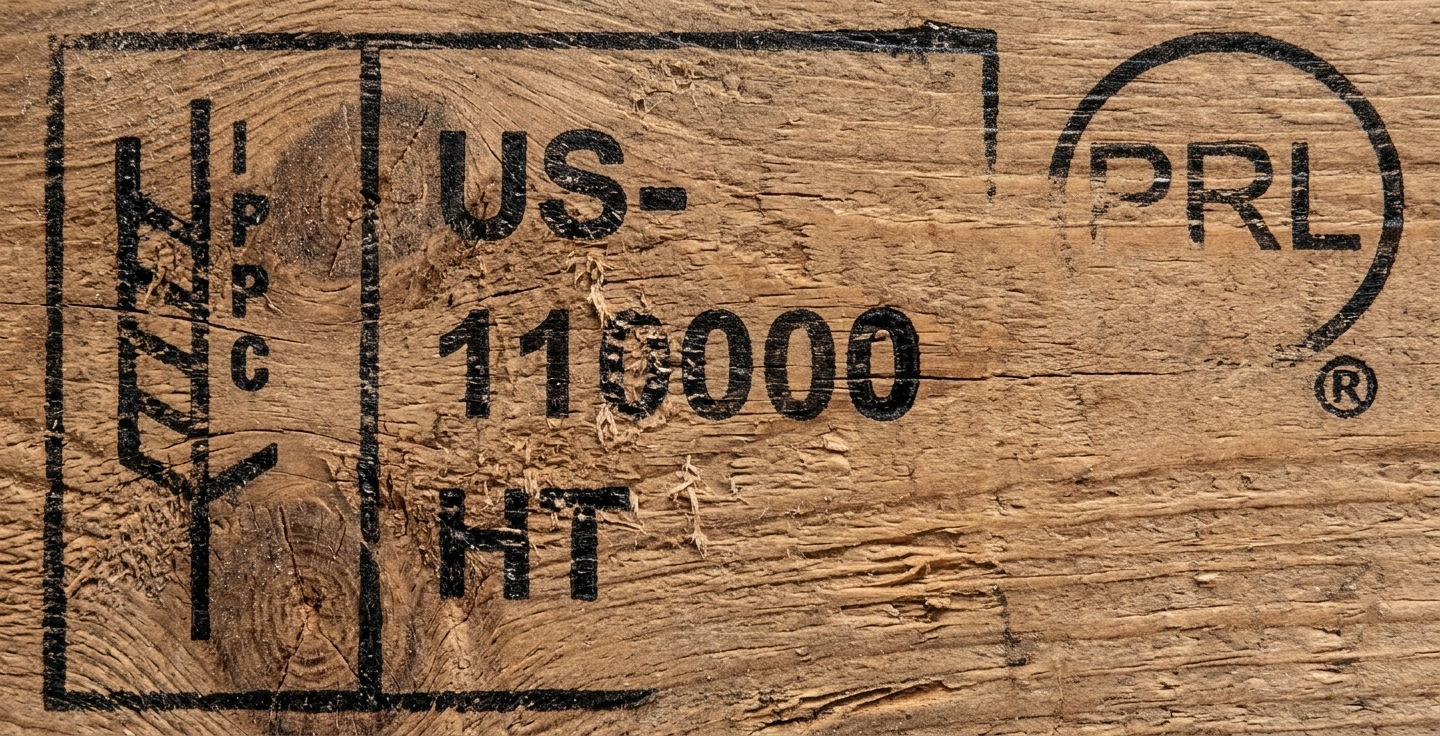 Missing Borders
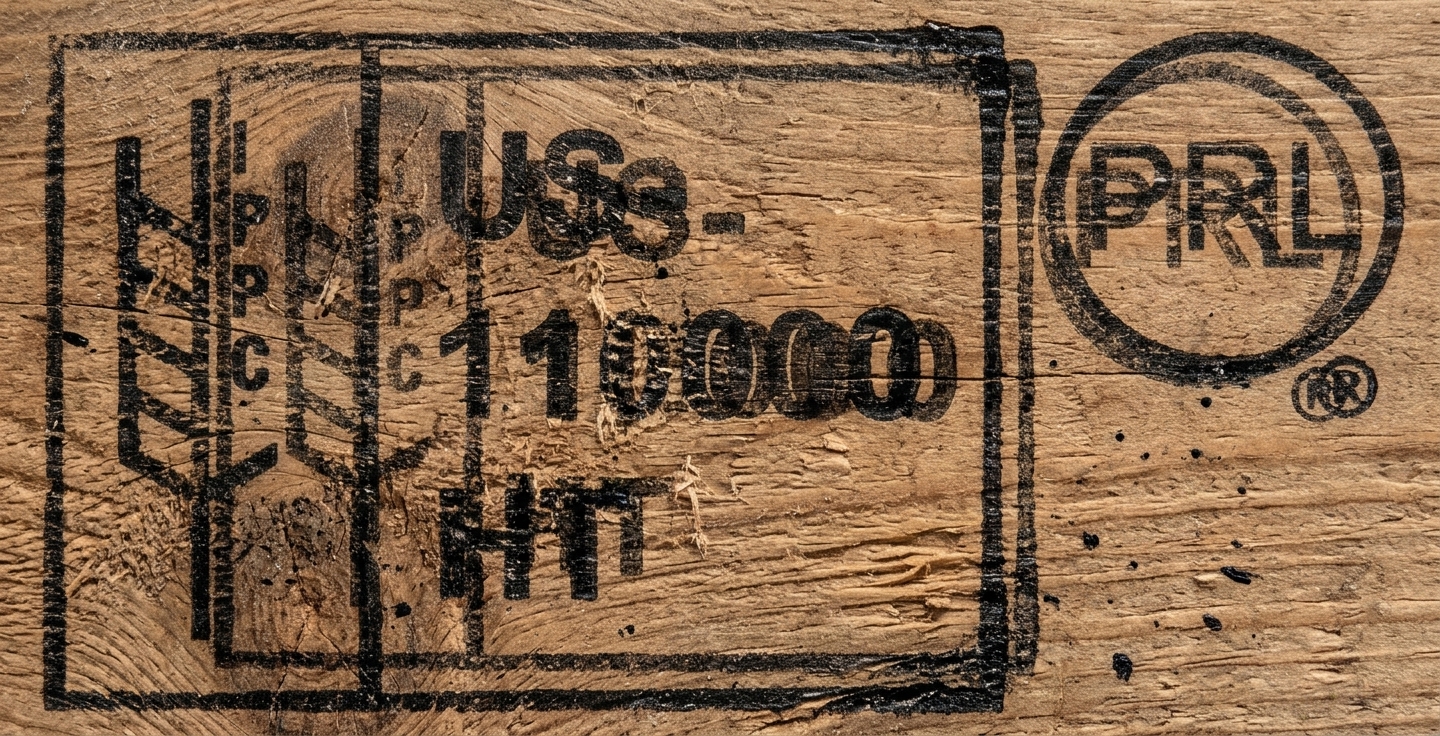 Double Impressions
Stamp Removal
Guidance on the proper removal of ISPM 15 stamps from repaired or reconfigured wooden pallets, a requirement under WPM and IPPC regulations.
- Any pallet that has been rebuilt or modified must have old stamps totally obliterated so they cannot be read.
- Stamps can be removed by grinding, sanding, inking over, or covering with paint.
- Recommended Technique: PRL recommends using gold spray paint to cover and remove stamps.
- Gold Paint Advantage: The metallic flakes prevent the paint from soaking into the wood, which prevents "bleed through" where the old stamp remains visible after drying.
- Black can be used but black paint often soaks into the wood, leading to poor coverage and visible stamps after the paint dries.
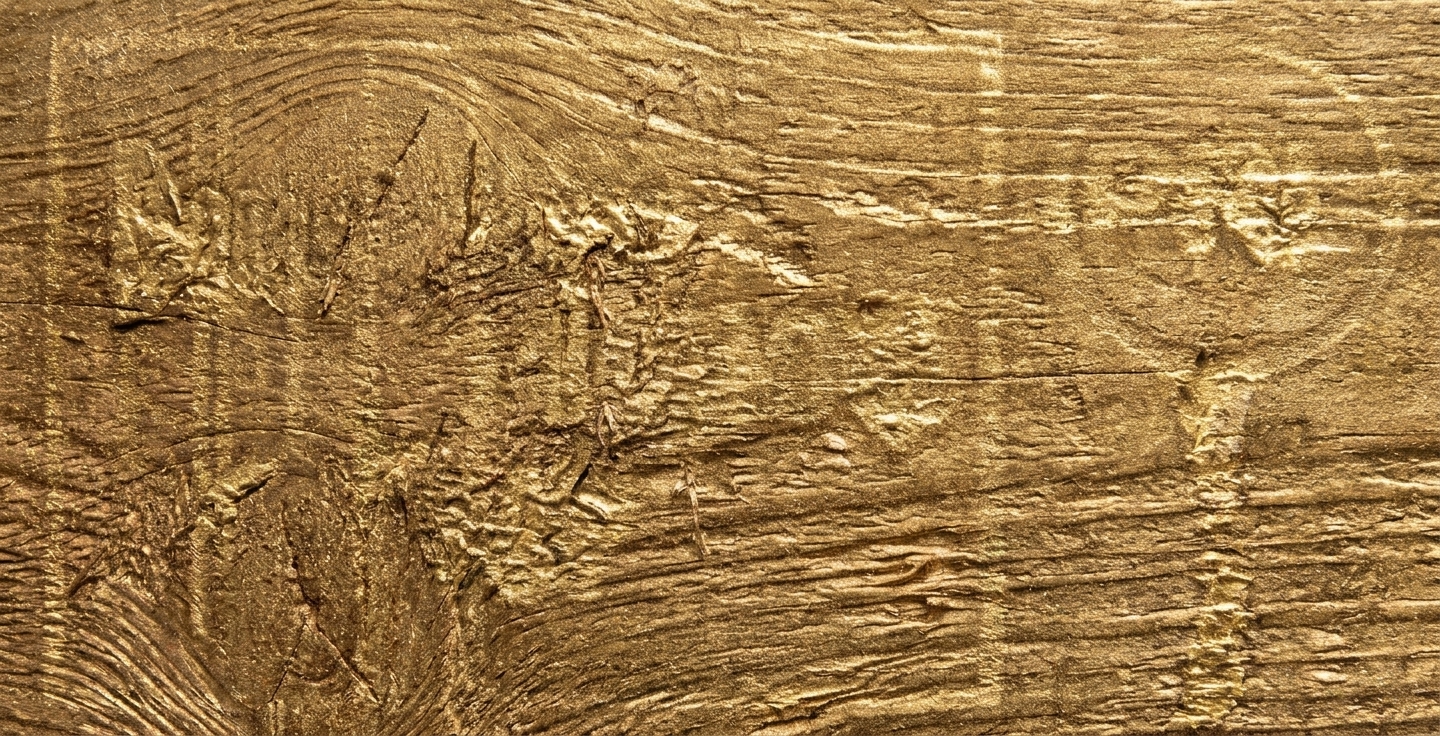 Gold Paint Removal
 Black Paint Removal
Stamp Maintenance
Guidelines for maintaining ISPM 15 stamps to ensure high-quality, compliant markings on wood packaging.
- If a stamp is damaged (blemished or torn), it should be removed from service and replaced with an alternate stamp to ensure inspection compliance.
- Avoid abrasive cleaners or harsh chemicals like acetone, which can degrade the stamp's adhesive and material. Instead, use gentle tools such as a toothbrush or a nylon bristle brush along with mild cleaning solutions like hot water, Dawn dishwashing soap, or Windex.
- Do not use inks containing acetone, as these will absorb into the rubber and destroy the stamp.
Bark Removal Before Heat Treatment
Guidance on preparing used wood pallets for ISPM 15 compliance before they undergo heat treatment.
- Used pallets must meet strict regulations regarding bark content.
- The most effective method is to manually flip each pallet and thoroughly inspect both sides of the boards to ensure they are bark-free.
- Before heat treatment, it is critical to remove any old, outdated WPM (Wood Packaging Material) markings from the pallets.
Guide to Heat Chamber Thermal Couplers
Proper preparation and placement of thermocouple probes for ISPM 15 heat chamber compliance. The process ensures accurate temperature monitoring during wood heat treatment.
Understanding Thermocouples: A thermocouple consists of two metal wires that generate a reading where they make contact. It is critical to keep the exposed metal tip (where the wires are twisted together) to no more than a quarter inch to ensure accurate temperature recording at the target point.
Probe Placement: Probes must be inserted into the ends of the pallet runners. The insertion depth must match or exceed the thickness of the wood; for example, a 1.5-inch thick runner requires a minimum 1.5-inch insertion depth.
Drilling and Installation: Use a drill bit that matches the diameter of the probe. Drill exactly in the center of the runner end. When inserting the probe, it should feel snug; leave about a quarter inch of the probe exposed to allow for easy removal with pliers without straining the wires.
Sealing: Use plumber's putty to liberally seal the entry point around the probe. This prevents ambient air from affecting the temperature reading at the tip, ensuring the device accurately measures the internal temperature of the wood.
Links of Interest
Organizations involved with ISPM15 and wood packaging
Have more questions about compliance?
Our team is available to discuss your specific packaging setup or scheduling needs.